


The Allure of Casino Gambling
Casino gambling is not merely a game of chance; it is a complex psychological experience that attracts millions of players worldwide. The thrill of the gamble, the vibrant atmosphere, and the potential for a life-changing win create an irresistible allure. Many individuals are drawn to casinos, not just for the possibility of winning money, but for the excitement and social interaction that the environment fosters. Understanding the psychology behind this allure can provide insights into why strategies develop and how they influence player behavior. For those looking to enhance their experience, the rise of bitcoin casino mobile platforms has made it easier to participate in gaming from anywhere.
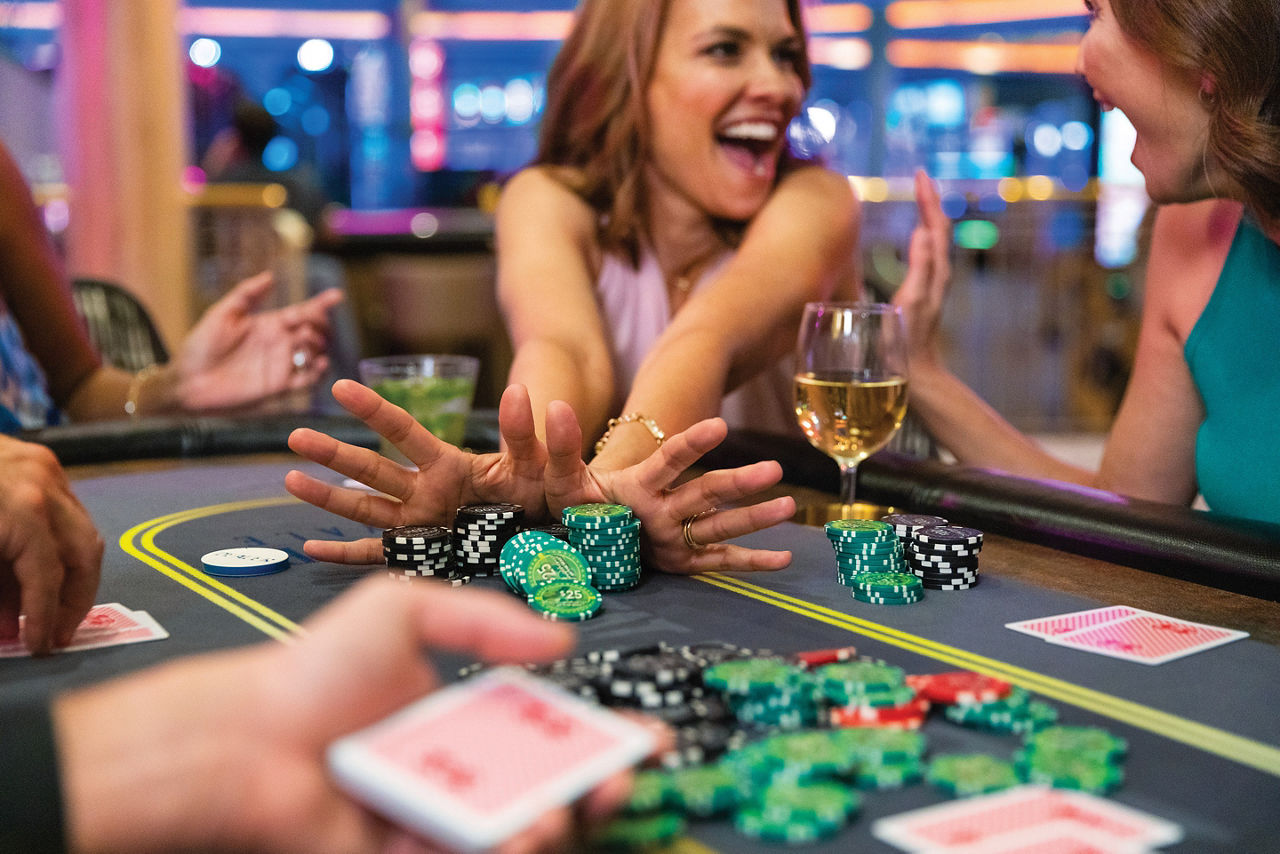
The excitement of casino gambling often stimulates the brain’s reward system, triggering the release of dopamine, a neurotransmitter associated with pleasure and reinforcement. This biological reaction can lead to a cycle where players seek out the adrenaline rush that comes from betting, often leading them to engage in more gambling activities. Consequently, the psychology of thrill-seeking plays a significant role in how individuals formulate their gambling strategies, motivating them to persist despite losses.
The Role of Cognitive Biases in Gambling
Cognitive biases significantly influence how players perceive their chances of winning and affect their gambling strategies. For instance, the gambler’s fallacy—the belief that past events influence future outcomes—can lead a player to make irrational decisions based on previous game results. This bias often convinces individuals that a losing streak must eventually be followed by a win, prompting them to double down or change strategies, which can result in higher losses.
Similarly, confirmation bias, where individuals seek out information that supports their existing beliefs, can further entrench faulty gambling strategies. A player who believes in a ‘lucky’ betting pattern may ignore evidence that contradicts their approach, making it difficult to adapt to changing circumstances. Understanding these cognitive biases is crucial for both players and casinos, as they highlight the psychological underpinnings of typical gambling behaviors and strategic decisions.
The Influence of Emotions on Betting Strategies
Emotions play a pivotal role in shaping gambling strategies and decisions. Players often experience a rollercoaster of feelings during their time in a casino, from excitement and euphoria during winning streaks to frustration and despair during losses. These emotional highs and lows can encourage impulsivity in decision-making, leading to overspending or risky bets that deviate from a player’s intended strategy.
Moreover, emotions can lead gamblers to employ various coping mechanisms in their strategy development. For instance, a player may set a loss limit to manage their frustration or develop a betting system to regain control after a losing session. Understanding the link between emotions and gambling behavior can help players make more informed decisions and develop healthier gambling habits, reducing the risk of problematic gambling behavior.
Social Influences and Group Dynamics in Gambling
The social environment of a casino significantly impacts how individuals approach gambling strategies. Peer influence can alter a person’s perception of risk and reward, often leading them to adopt strategies based on the behaviors of others rather than their own analysis. For example, a player may feel pressured to join in on a betting trend observed at the table, potentially leading to decisions that are not aligned with their typical gambling style.
Additionally, group dynamics can create a heightened sense of excitement and urgency, encouraging players to take risks they may not consider when gambling alone. This phenomenon, often referred to as “groupthink,” can result in collective decision-making that amplifies emotions and leads to increased wagering amounts. Understanding these social factors helps to illuminate the complexities behind the strategies players choose in group settings, highlighting the interplay between individual psychology and social dynamics.
Tools and Resources for Responsible Gambling
As gambling strategies are profoundly influenced by psychological factors, it is essential for players to recognize the importance of responsible gambling practices. Utilizing tools and resources can foster a healthier approach to gambling, helping individuals manage their emotional responses and cognitive biases effectively. Many casinos and online platforms provide resources including self-assessment tools, setting limits on time and money spent, and access to professional support for those who may need it.
Incorporating these resources not only helps maintain control over gambling activities but also empowers players to strategize more effectively and responsibly. By understanding the psychological components behind their behaviors, players can enhance their gaming experiences and make informed choices that prioritize their well-being while enjoying the thrill of casino gambling.