
Cultural reflections How casinos shape societal values and norms
The Evolution of Casinos in Society
Casinos have long been a staple of entertainment, evolving significantly since their inception. Initially seen as places for the elite, gambling establishments gradually opened their doors to the general public, reflecting a shift in societal values toward inclusivity and leisure. As gambling became more accessible, it transformed into a mainstream pastime, illustrating how societal norms can adapt to embrace activities once considered taboo. In this interactive realm, you might want to explore icefishing-game-ie.com for an exciting take on gaming.

This evolution has not only changed perceptions of gambling but also influenced broader societal trends. For instance, the rise of casinos has coincided with an increase in tourism in various regions, leading to economic growth and cultural exchanges. Locations like Las Vegas and Macau have become global hotspots, showcasing how casinos can shape and reshape local identities, turning them into vibrant cultural landscapes.
Furthermore, casinos have sparked conversations about morality and ethics within society. With their flashy lights and enticing games, they draw attention to issues of addiction and responsible gambling practices. This duality—celebrating entertainment while addressing potential pitfalls—highlights the complexity of modern societal values and the way casinos reflect the ongoing dialogue around personal responsibility.
The Cultural Impact of Gambling
Gambling influences culture in numerous ways, from language to fashion. Phrases related to luck, chance, and gambling have seeped into everyday language, reflecting a societal acceptance of these concepts. Furthermore, the imagery associated with casinos—dice, cards, and slot machines—has become iconic in various forms of media, influencing not just entertainment but also fashion trends that embrace the thrill of chance.
The aesthetics of casinos often draw on cultural motifs that resonate with local populations. For example, in Asian casinos, you might find design elements inspired by Feng Shui, which reflect the cultural significance of luck and fortune. This tailored approach not only enhances the gaming experience but also reinforces cultural identity, showcasing how gambling spaces can integrate with and enhance local traditions.
Additionally, the portrayal of casinos in films and literature underscores their cultural significance. Movies often depict the glitz and glamour of gambling while simultaneously exploring the darker aspects, such as addiction and desperation. These narratives shape public perception and influence how society views not just gambling but also broader themes of risk and reward.
Responsible Gambling: A Societal Necessity
As the popularity of gambling grows, so does the need for responsible practices. Many casinos have implemented measures to promote responsible gambling, reflecting a societal recognition of the importance of moderation. These initiatives often include educational programs and self-exclusion options, which empower individuals to gamble responsibly and seek help if needed.
Moreover, the rise of technology has brought about innovative solutions for responsible gambling. Many online casinos now offer tools that allow players to set limits on their spending and time spent playing. This blend of entertainment and responsibility signifies a significant shift in how society perceives gambling, emphasizing that enjoyment does not have to come at the expense of well-being.
Through these efforts, casinos contribute to a more informed society regarding the risks associated with gambling. By promoting awareness and providing support, they play a pivotal role in shaping societal norms that advocate for responsible behavior, aligning with a broader cultural shift toward health and well-being.
Casinos as Social Hubs
Beyond gambling, casinos function as social hubs where people from diverse backgrounds converge. These spaces foster interactions that might not occur elsewhere, serving as platforms for community engagement. Events, concerts, and dining experiences draw in crowds, making casinos pivotal in shaping local social life and culture.
The sense of community found in casinos can often lead to charitable initiatives that benefit local populations. Many casinos participate in or sponsor events that raise funds for various causes, reflecting a commitment to social responsibility. This engagement not only strengthens their community ties but also enhances their public image, showcasing how casinos can positively influence societal values.
Additionally, the unique environments created within casinos encourage socialization and shared experiences. People often come together to celebrate milestones or simply enjoy a night out, reinforcing social bonds and creating lasting memories. This aspect of casinos highlights their role in enhancing community cohesion, making them more than just places for gambling.
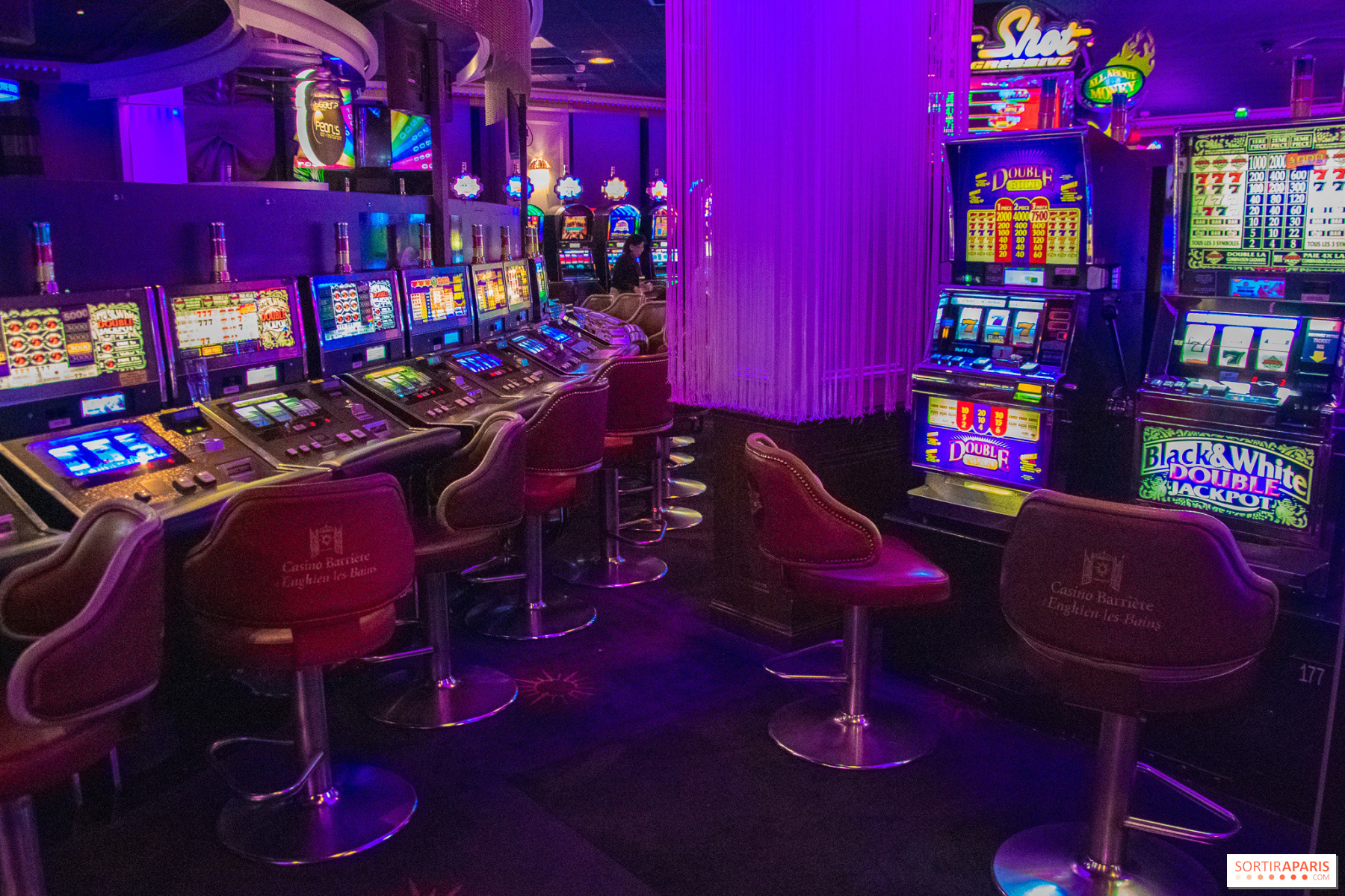
Exploring the Future of Casinos in Cultural Context
The future of casinos will likely continue to evolve alongside societal values. As technology advances, casinos may incorporate more interactive and immersive experiences, catering to the growing demand for unique entertainment options. This evolution will likely influence cultural norms around leisure and socializing, further embedding casinos into the fabric of society.
Moreover, the ongoing dialogue surrounding responsible gambling will remain crucial as casinos adapt to changing societal expectations. By prioritizing player well-being and addressing concerns about gambling addiction, casinos can position themselves as responsible members of the community, fostering a culture that balances entertainment with accountability.
Ultimately, the cultural reflections of casinos serve as a lens through which we can examine societal values. Their influence extends beyond gaming, shaping perceptions of risk, community, and personal responsibility. As they continue to evolve, casinos will undoubtedly play a significant role in defining future cultural landscapes.