


The Thrill of Uncertainty
One of the primary psychological elements that attract individuals to casino gambling is the thrill of uncertainty. The unpredictable nature of games such as slots, poker, and roulette creates an adrenaline rush. Players experience a surge of excitement as they place their bets, not knowing whether they will win or lose. This uncertainty can become addictive, as each game presents the potential for large rewards. The possibility of hitting bitcoin casinos usa or achieving a significant win against the odds keeps players engaged and coming back for more.
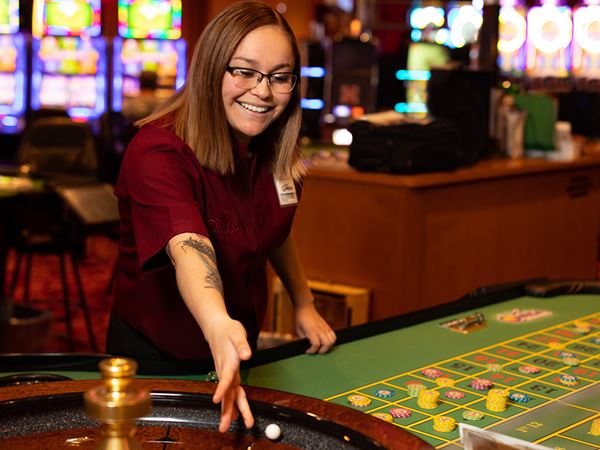
Moreover, the brain’s reward system plays a crucial role in this phenomenon. When players win, they receive a dopamine release, reinforcing the behavior and encouraging them to gamble again. This biochemical reaction is similar to what one might experience with other forms of excitement or pleasure, solidifying the link between gambling and psychological gratification.
The Allure of Escapism
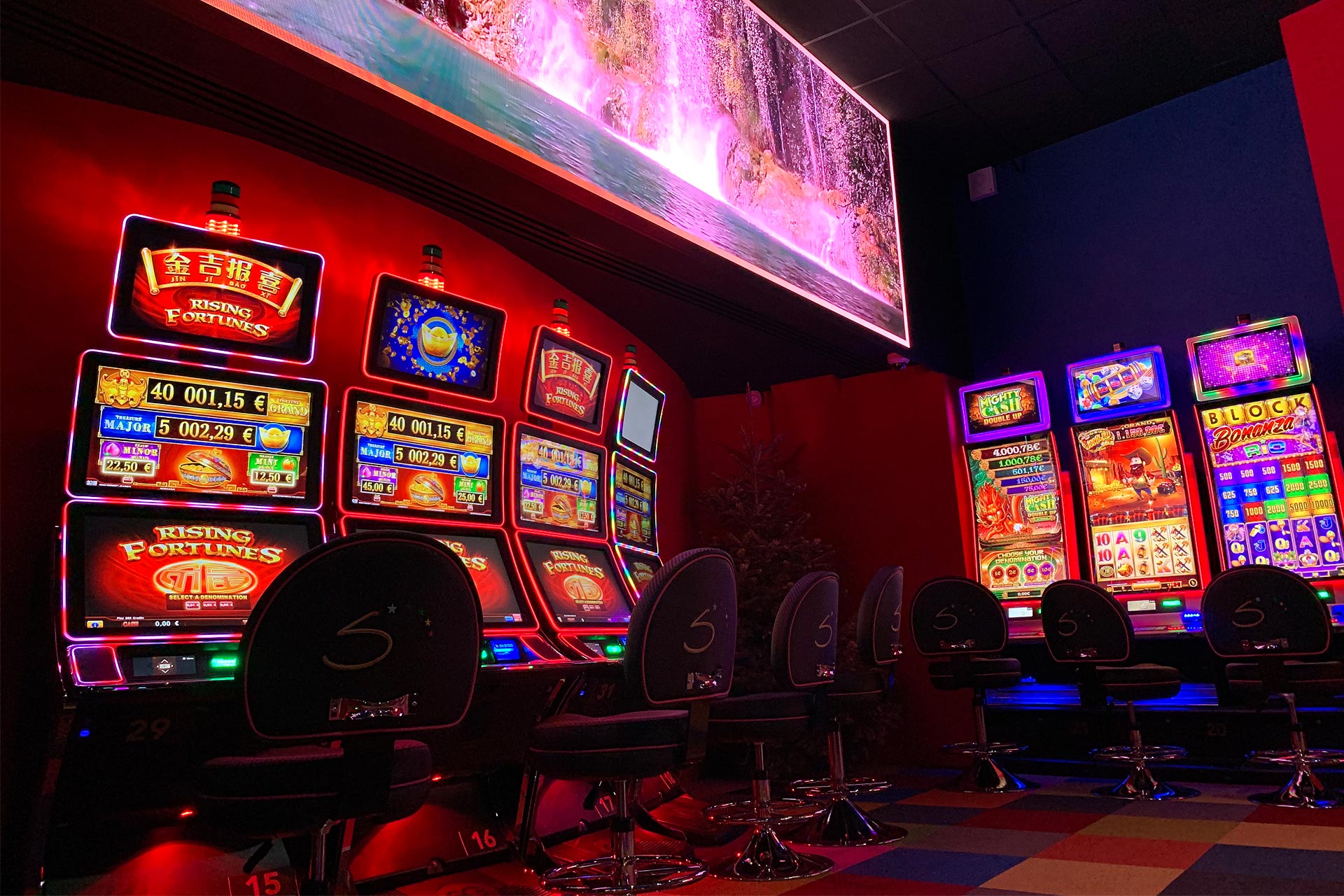
Casino environments provide an escape from everyday life, allowing individuals to immerse themselves in a world of excitement and fantasy. The vibrant lights, sounds of spinning reels, and overall ambiance create a sensory overload that captures attention and distracts from daily stressors. This immersive experience serves as a temporary reprieve, making players more likely to return for another session.
For many, gambling becomes a coping mechanism, offering not just entertainment but also a distraction from life’s pressures. In the midst of the thrill, players can forget their worries, if only for a few hours. This psychological aspect makes casinos appealing destinations for those seeking relief from their routine or emotional burdens.
The Social Aspect of Gambling
Gambling is often a social activity, where players can connect with friends or meet new people. The shared experience of winning or losing fosters a sense of community and belonging. Many casinos offer lounges, restaurants, and event spaces that encourage social interactions, enhancing the overall experience of gambling.
The camaraderie found in these environments can be a powerful motivator for players. Engaging in conversations, celebrating wins, or even commiserating over losses creates bonds that are difficult to replicate in other settings. This social component reinforces the habit of returning to casinos, as players often associate their experiences with friendships and community.
The Role of Marketing and Incentives
Casinos employ various marketing strategies to entice players back through their doors. Loyalty programs, complimentary drinks, and promotional events create a sense of value for players. Such incentives can amplify the psychological urge to return, as players feel rewarded for their loyalty even when they are not winning.
Moreover, targeted advertising plays a significant role in keeping casinos on players’ minds. Promotions that highlight special events or big jackpots can reignite interest, leading to repeat visits. The strategic use of marketing messages and social media presence helps maintain engagement, ensuring that players continuously think about their next gaming experience.
Enhancing Language Skills in a Casino Context
The intersection of gambling and language can also be a fascinating aspect for learners. For those looking to improve their English skills, understanding the terminology and conversations that occur in a casino setting can be enlightening. Engaging with educational resources focused on casino-related vocabulary can enhance communication skills while providing a unique context for learning.
Websites like “english-for-students.com” can serve as valuable tools for learners interested in expanding their language abilities. By providing specific vocabulary and grammar resources related to gambling, students can navigate the thrilling world of casinos with greater confidence and understanding. This educational approach not only enriches language proficiency but also deepens the engagement with the captivating elements of gambling psychology.